
Where’s Our PTO? We Clock In Every Day, and We’re Still Seen as ‘Inspiring’
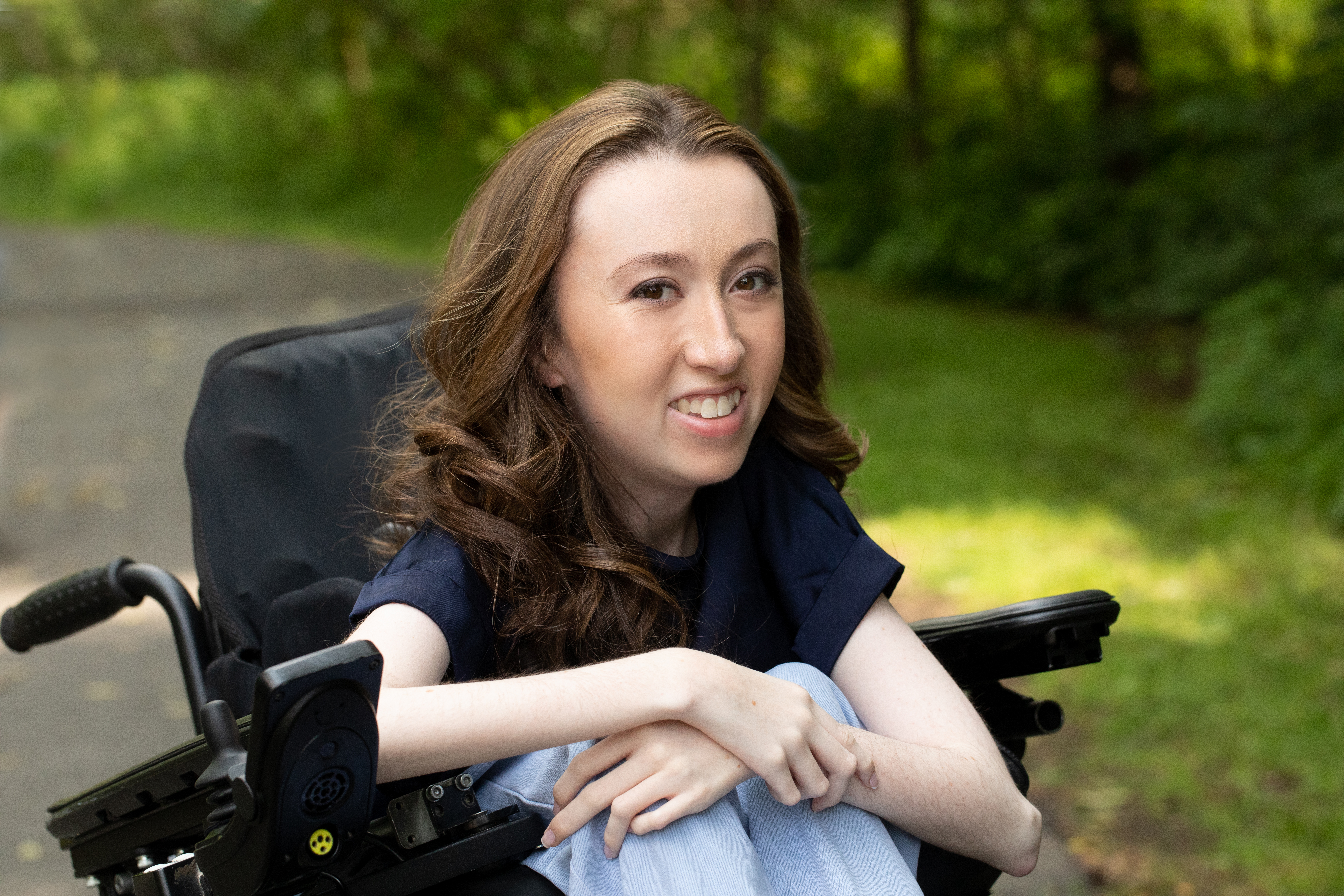

Living with a disability is a full-time job. The hours are long. The labor is constant. And the benefits? Honestly, they’re nonexistent.
Kelly and I live with an ultra-rare neuromuscular disease called Collagen 6 congenital muscular dystrophy. We both use power chairs to move through the world. And I say move through very intentionally, because existing in a world that wasn’t built for us takes more than just rolling through doorways. It takes work. Constant, invisible, unpaid work.
Let’s call it what it is: this isn’t just our lives—it’s a full-time job. We clock in every single day.
Clocking in looks like managing medical appointments, coordinating care schedules, and making calls to insurance companies that never seem to go anywhere. It looks like tracking equipment orders, dealing with delays, and figuring out how to do basic tasks without the tools we need because someone, somewhere, didn’t approve a form.
Clocking in looks like checking ahead to make sure a building is accessible (and wondering if that “accessible entrance” on the website actually is accessible). It looks like having a backup plan, and then a backup to the backup, just in case the elevator’s broken or the ramp is blocked by a delivery truck.
Clocking in looks like advocating for ourselves, again and again, in systems that were never designed for us—healthcare, education, transportation, and beyond.
And that’s all before we do the things people actually see—showing up in our friendships, our projects, our advocacy, or whatever else we choose to pour ourselves into.
The truth is, there’s no PTO when you live rare.
No vacation. No breaks. No coverage. No option to call in sick.
Every task, every errand, every appointment takes more time, more planning, and more energy than most people will ever realize.
And yet, somehow, we’re still expected to smile through it all and accept being called “inspiring” for doing the basic things others get to do without a second thought. To be called “brave” or “amazing” just for existing in a body that requires more care than most.
We don’t want to be your inspiration.
We want to be seen as whole people doing normal things—not feel-good stories in chairs.
There’s this idea that unless you sit at a desk earning a paycheck, you’re not “contributing.” But the reality is, we’re always working. Always managing. Always navigating systems, bodies, and expectations that don’t leave room for us to just be.
Existing in a disabled body in an inaccessible world is work. And surviving—let alone thriving—is a full-time effort.
We deserve more than applause for getting out of bed. We deserve systems that support, not just stories that inspire and uplift at our expense. We deserve to live in a world that recognizes our offerings, not just our chairs.
And if we are going to be called inspiring, let it be for the truth we tell. Let it be for the way we keep showing up—for ourselves, for each other, and for the future we’re building.
Ladies Living Rare was born out of that truth. It’s a space where disabled and rare women get to share their stories on their own terms. Where we get to be unapologetically ourselves in a world that constantly tries to minimize disabled voices. Because if we’re working this hard just to be here, then we deserve to take up space while we’re at it.
So the next time you meet someone living with a disability, don’t assume we’re just “getting by.” We’re managing. We’re juggling. We’re adapting. We’re advocating. And yes…we’re working.
The difference is we don’t get to clock out at 5. And most of us aren’t getting paid. In fact, people living with disabilities are paid significantly less than our able-bodied peers, when we’re even allowed in the room. And even when we do earn, outdated asset limits force many of us to choose between financial stability and access to essential care. There’s no ladder to climb—we can’t get a raise, a promotion, or save for the future without risking the support we need to survive.
We’re not asking for applause. We’re asking for acknowledgment. For change. For access. For equity.
And maybe—just maybe—for a little PTO.
With love always,


Comments